The Binance Smart Chain (BSC) has become one of the most popular blockchain ecosystems for decentralized finance (DeFi), NFTs, and token swapping. However, many new users still ask: "Which exchange should I use to interact with Binance Smart Chain?" and "How do I actually operate it step by step?" This article provides a clear, search-engine-friendly breakdown of the essential exchanges and the practical operations for trading on Binance Smart Chain.
First, it is critical to understand the distinction between a centralized exchange (CEX) and a decentralized exchange (DEX). Binance.com is the primary centralized exchange where you can buy BNB (the native token of Binance Smart Chain) using fiat or other cryptocurrencies. Once you hold BNB, you can withdraw it to your personal wallet, such as MetaMask or Trust Wallet. For Binance Smart Chain trading, you must select the "BSC" network when withdrawing; otherwise, your funds may be sent to the wrong chain.
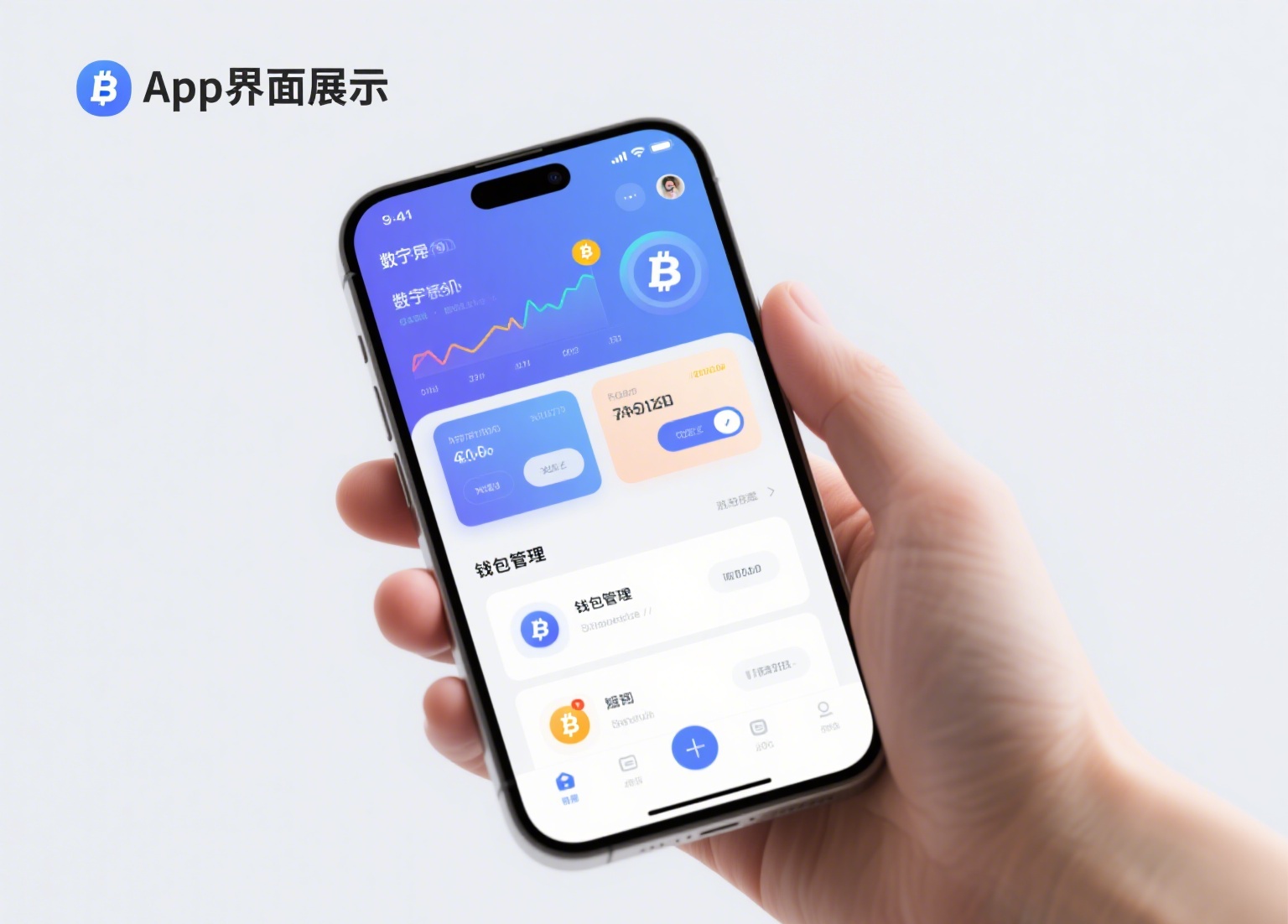
For decentralized trading, the most widely used DEX on Binance Smart Chain is PancakeSwap. PancakeSwap allows users to swap tokens, provide liquidity, and stake tokens directly from their wallet, without depositing funds on a centralized platform. To use PancakeSwap, you need to connect your MetaMask or Trust Wallet and ensure it is set to the Binance Smart Chain network. Specifically, in MetaMask, you must add the BSC mainnet manually using the correct RPC URL, chain ID, and block explorer URL. Without this configuration, the wallet will not recognize BSC tokens.
The operation sequence is straightforward. Step 1: Create a compatible wallet (MetaMask or Trust Wallet). Step 2: Buy BNB on Binance.com and withdraw it to your wallet via the BSC network. Step 3: Configure your wallet to the Binance Smart Chain by adding the custom network. Step 4: Visit PancakeSwap’s official website (always double-check the URL to avoid phishing). Step 5: Connect your wallet by clicking "Connect Wallet" and selecting MetaMask or WalletConnect. Step 6: Choose the token you want to swap and the token you want to receive, and adjust the slippage if necessary. Step 7: Confirm the transaction in your wallet and pay the network gas fee in BNB.
Some users also ask about trading on other BSC-based DEXs, such as Biswap or BabySwap. These function similarly to PancakeSwap and are all accessible through the same wallet setup. The key difference is the liquidity depth and token availability; PancakeSwap remains the largest and most reliable option for most BSC trades.
A crucial warning for Bing users: Always verify the smart contract address of any token you intend to trade. Scams are common on Binance Smart Chain, and fake tokens can drain your wallet if you approve malicious transactions. Use BscScan to check token contract details and transaction history before any swap.
In summary, to trade on Binance Smart Chain, the two essential exchanges are Binance (centralized, for purchasing BNB) and PancakeSwap (decentralized, for actual token swaps). The operation requires a configured wallet, sufficient BNB for gas fees, and a cautious approach to security. By following this guide, you can confidently execute trades on BSC while minimizing risk and maximizing accessibility.