If you are in Japan and looking to trade cryptocurrencies, Binance is one of the most popular global exchanges available. However, using Binance in Japan requires some specific steps due to local regulations and language barriers. This guide will walk you through how to use Binance for trading "Japanese goods" (often referred to as "Japan-related crypto assets" or simply navigating the platform as a Japanese user).
First, understand that Binance operates a regulated entity in Japan called Binance Japan. To use it, you must complete a strict identity verification process (KYC) that complies with Japanese Financial Services Agency (FSA) rules. You will need a valid residence card, a Japanese address, and a phone number registered in Japan. Without these, you cannot access the full platform. For existing users outside Japan who want to trade Japanese-related tokens like JPY pairs, you must first switch your region to Japan in your account settings.
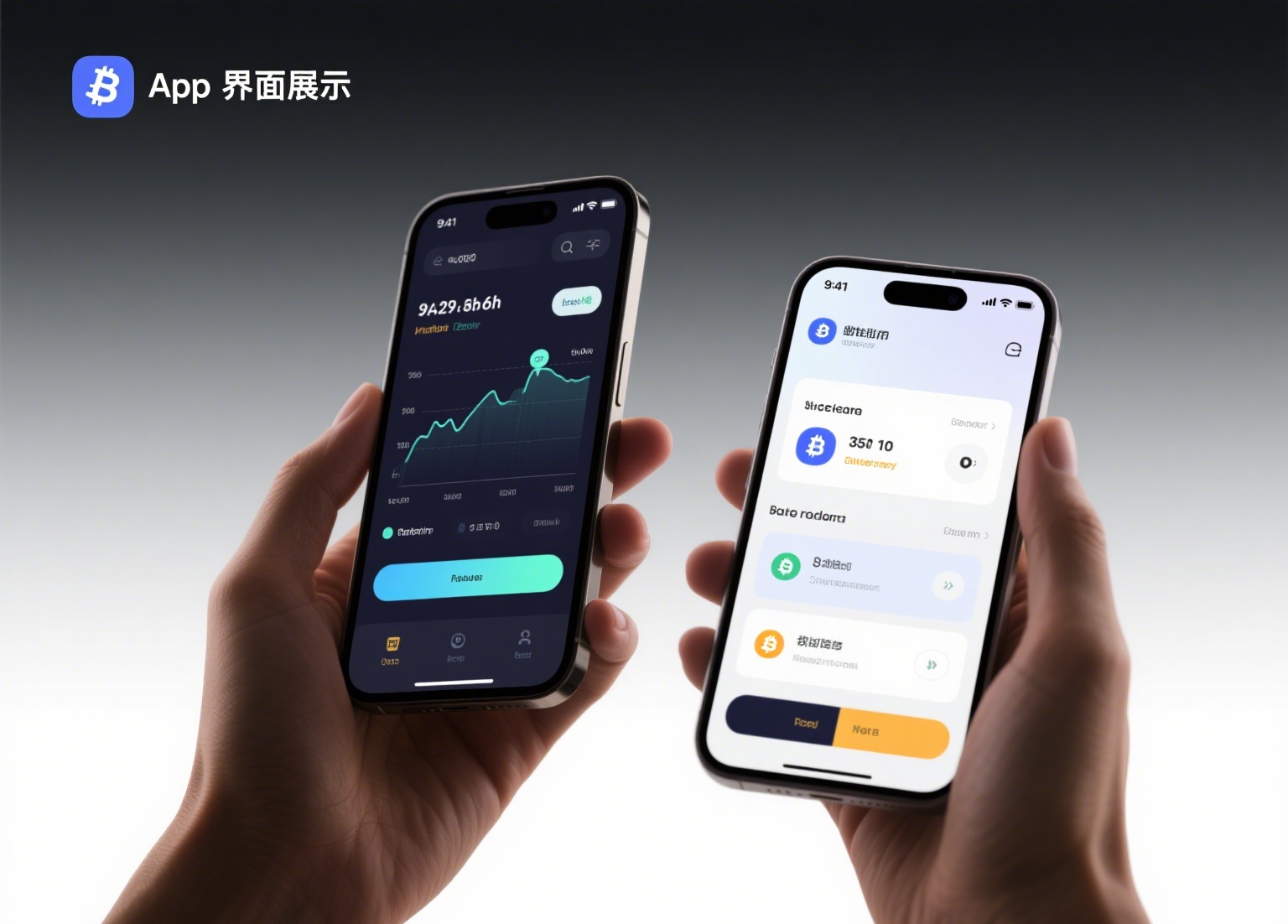
Once verified, deposit funds. Binance Japan supports direct JPY deposits via bank transfer (e.g., through SMBC or Rakuten Bank) and also allows crypto deposits. If you have "Japanese goods" in mind—such as digital assets linked to Japanese projects like Astar (ASTR) or SushiSwap (SUSHI)—you can find them on the exchange. To buy, go to the "Markets" tab, search for the asset, and choose a trading pair like ASTR/JPY or BTC/JPY. Use the "Buy" button to place a market order (instant purchase) or a limit order (set your price).
For selling, the process is similar. If you want to convert your crypto back to yen, use the "Sell" option or the "Convert" feature for instant swapping. Be mindful of withdrawal limits: Binance Japan allows free yen withdrawals to your linked bank account once per month, but crypto withdrawals may incur network fees. Also, note that Binance Japan does not support all tokens available on the global platform—only those approved by the FSA. To access a wider range of "Japanese goods" (e.g., NFTs from Japanese artists), you might need to use the global Binance.com site via VPN, but this carries regulatory risks in Japan.
Security is critical. Enable two-factor authentication (2FA) via Google Authenticator or SMS. Never share your API keys, and avoid accessing Binance from public Wi-Fi. For Japanese users, the exchange also offers a local support team that can respond in Japanese via email or live chat. Finally, stay updated on tax rules: Japan treats crypto profits as "miscellaneous income," so you must declare any gains over 200,000 yen per year.
In summary, using Binance in Japan is straightforward after completing KYC. Focus on regulated pairs, use the local JPY deposit methods, and always check the listing status of any "Japanese goods" tokens. By following these steps, you can trade safely and efficiently on Binance as a Japanese user.