In the rapidly evolving world of digital finance, USD Coin (USDC) has emerged as a cornerstone of stability and utility. As a stablecoin pegged 1:1 to the US dollar, it offers the speed and programmability of cryptocurrency without the extreme volatility. But how do you actually use USDC? This comprehensive guide will walk you through the essential steps, from acquisition to practical application, empowering you to navigate the crypto ecosystem with confidence.
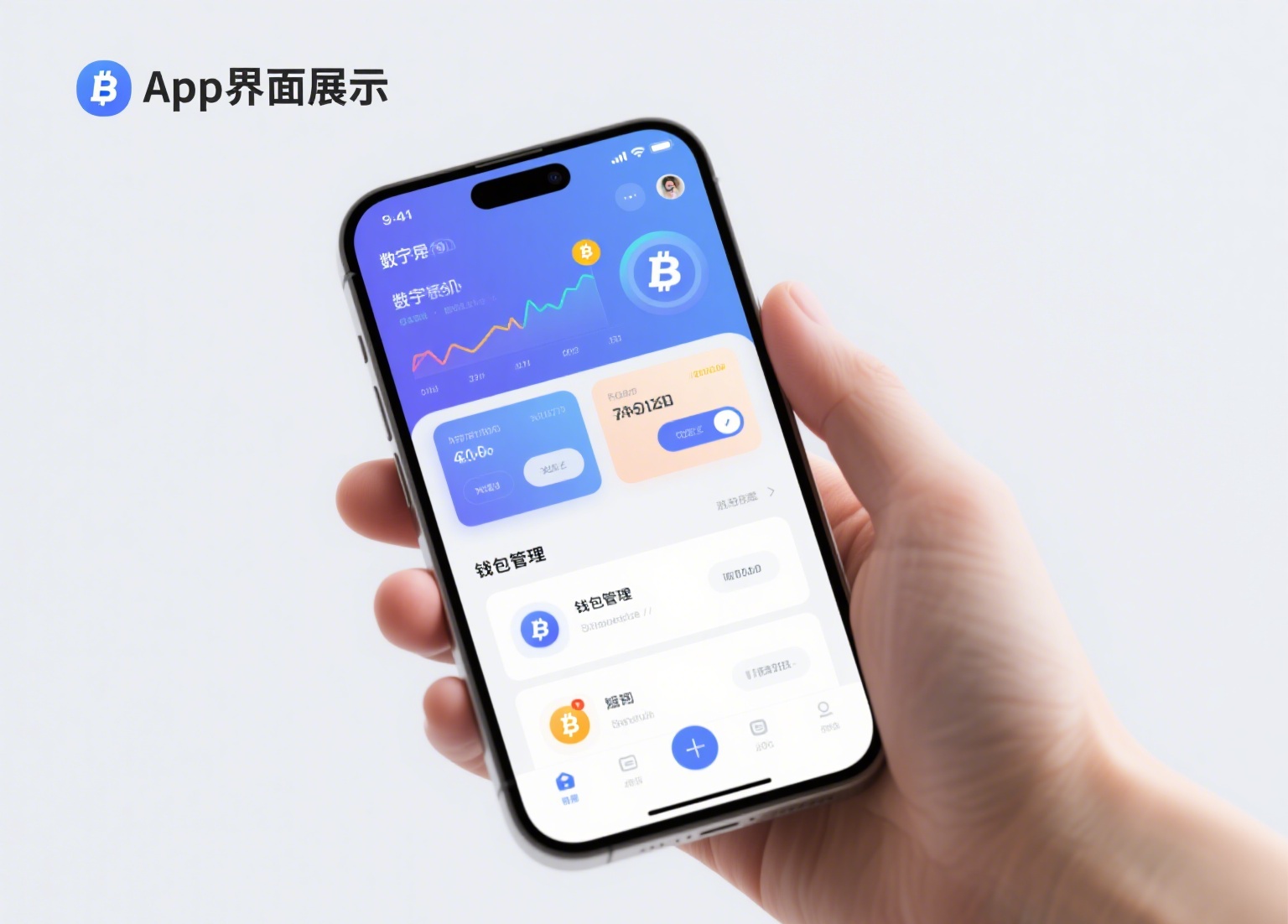
The first step in using USDC is acquiring it. You can purchase USDC directly on most major cryptocurrency exchanges, such as Coinbase, Binance, or Kraken, using fiat currency like US dollars via bank transfer, debit card, or other payment methods. Alternatively, you can swap other cryptocurrencies, like Bitcoin or Ethereum, for USDC within a crypto wallet that supports decentralized exchanges. Once purchased, it's crucial to store your USDC securely. You can keep it in your exchange account for convenience, but for enhanced security, transferring it to a personal cryptocurrency wallet—like a software wallet (e.g., MetaMask) or a hardware wallet (e.g., Ledger)—is highly recommended. This gives you full control over your private keys and assets.
So, what can you do with USDC? Its primary use is as a digital dollar for transactions and transfers. You can send USDC to anyone, anywhere in the world, quickly and with low transaction fees compared to traditional wire transfers. This makes it ideal for remittances and global payments. Furthermore, USDC is a fundamental tool within the decentralized finance (DeFi) landscape. You can use it to earn interest through lending platforms, provide liquidity to trading pools for rewards, or use it as collateral to borrow other assets. It also serves as a stable trading pair on exchanges, allowing traders to swiftly move in and out of volatile markets. Additionally, a growing number of merchants and online services now accept USDC as payment for goods and services.
When using USDC, always prioritize security. Verify you are interacting with the official USDC contract address, especially when using DeFi protocols, to avoid scams. Be mindful of network fees (gas fees) when transacting on blockchains like Ethereum. For regular, smaller transactions, you might consider using USDC on other supported blockchains with lower fees, such as Solana or Polygon, ensuring you use compatible wallets and bridges. By understanding these basics—buying, storing, and utilizing USDC—you unlock a powerful tool for efficient, global, and programmable finance, bridging the gap between traditional currency and the innovative future of blockchain technology.