Binance, primarily known as the world’s largest cryptocurrency exchange, has also become a gateway for users interested in foreign exchange (forex) trading. While Binance does not operate as a traditional forex broker offering fiat currency pairs like EUR/USD or GBP/JPY in the same way that OANDA or Forex.com does, it provides powerful tools for trading forex-like instruments through its crypto derivatives platform and spot market. Here is a step-by-step guide on how to use Binance for forex-related trading.
First, you need to understand the distinction. On Binance, you cannot directly trade the US Dollar against the Euro. Instead, you trade stablecoins (like USDT or BUSD) against other cryptocurrencies, or you use futures contracts to simulate forex positions. The most common method is to use Binance Futures, where you can trade perpetual contracts for "forex pairs" such as BTC/USDT, ETH/USDT, and even some fiat-backed tokens. These contracts mimic the leverage and margin mechanics of traditional forex trading.
To get started, create a Binance account and complete the identity verification (KYC) process. This is mandatory for accessing higher withdrawal limits and futures trading. Once verified, fund your account by depositing cryptocurrency (e.g., USDT, BUSD, or BTC) from an external wallet or by purchasing crypto directly via bank transfer or credit card. For forex-like trading, you will want to have a significant balance in USDT, as it is the most widely used stablecoin for margin trading.
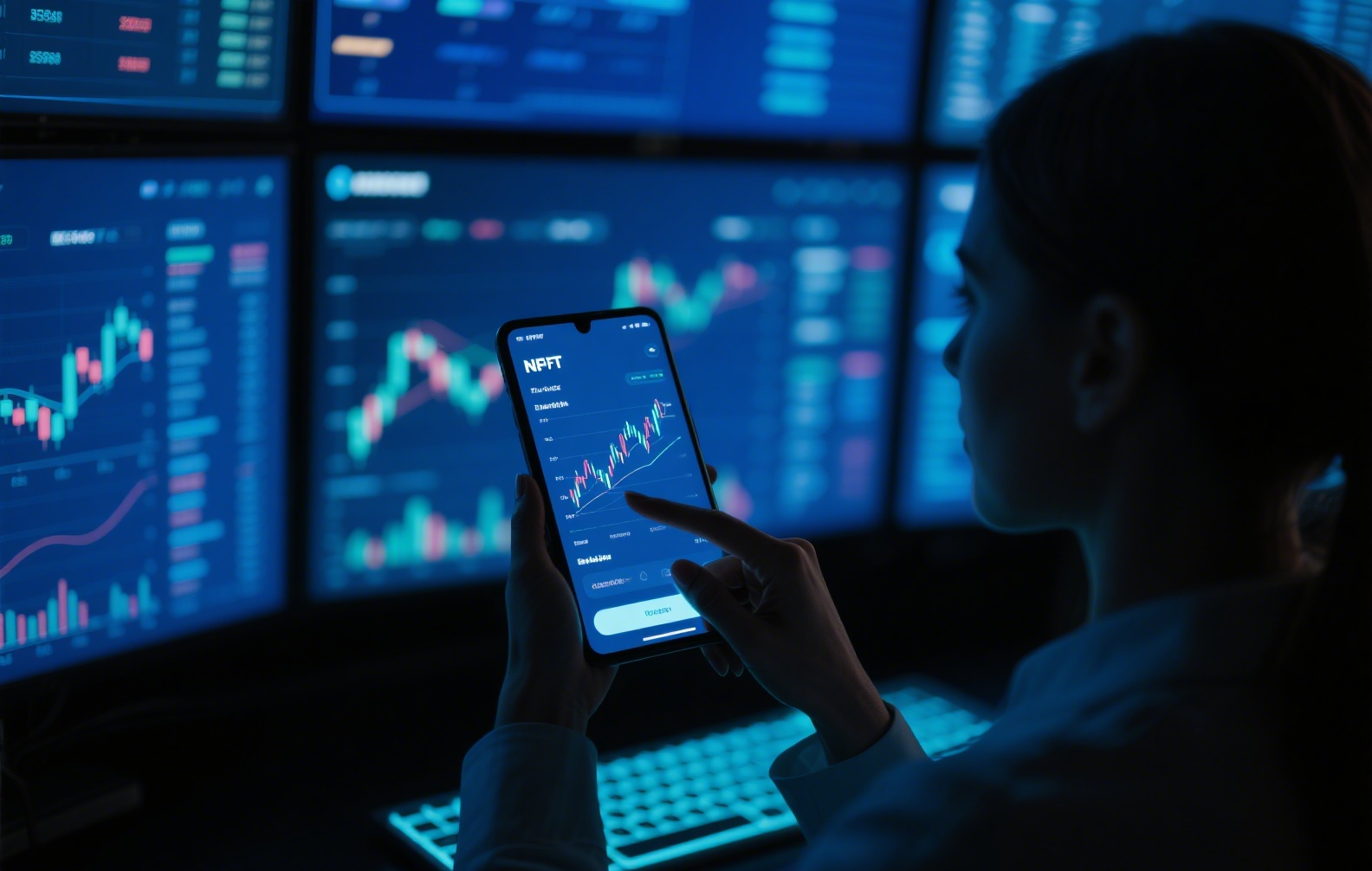
Next, navigate to the "Derivatives" section and open "USDⓈ-M Futures." Here, you can select a trading pair like "ETHUSDT" or "BTCUSDT." While these are not traditional forex pairs, their price movements are often correlated with global forex markets due to the dominance of the US dollar in crypto pricing. You can use the same technical analysis tools—moving averages, RSI, and Fibonacci retracements—that you would use in forex. The interface offers up to 125x leverage, though beginners should start with 2x to 5x to manage risk.
One key feature for forex traders is the ability to go "short" (sell) or "long" (buy) with ease. In traditional forex, you are always trading one currency against another. On Binance Futures, you simply choose a direction. For example, if you believe the US dollar will strengthen against Bitcoin, you would open a short position on BTC/USDT. This is functionally similar to selling USD/JPY in forex. To execute a trade, set your order type (market, limit, or stop-limit), define your leverage, and specify the contract size. Always set a stop-loss to protect your capital.
Another method is to use Binance Spot to trade forex-related tokens. For instance, you can trade BFUSD or other regulated stablecoins that represent fiat currencies. However, liquidity for these pairs is lower than for major cryptos. Most active "forex" traders on Binance prefer the futures market because of its high liquidity, deep order books, and low trading fees (0.02% maker, 0.04% taker).
Risk management is critical. Unlike standard forex brokers that offer negative balance protection, Binance futures can lead to liquidation if your margin falls below the maintenance level. Always calculate your position size relative to your account balance. Use the "Isolated Margin" mode to limit risk to a single position. Additionally, Binance provides a demo testnet where you can practice forex-like trading with virtual funds before risking real money.
In summary, using Binance as a forex exchange requires a shift in thinking from fiat pairs to crypto-stablecoin pairs. The platform offers powerful tools, low fees, and high leverage that appeal to experienced forex traders. To succeed, focus on technical analysis, strict risk controls, and understanding the unique volatility of crypto markets. Start with small positions, use the testnet first, and gradually scale up as you become comfortable with the interface.