If you are new to cryptocurrency trading, one of the first platforms you will hear about is Binance. As the world’s largest digital asset exchange by trading volume, Binance offers a wide range of services including spot trading, futures, staking, and more. However, many beginners struggle with the initial steps: how to access Binance, how to register, and how to actually use the platform. This guide will walk you through the entire process, from creating an account to placing your first trade.
Step 1: Accessing the Binance Website or App
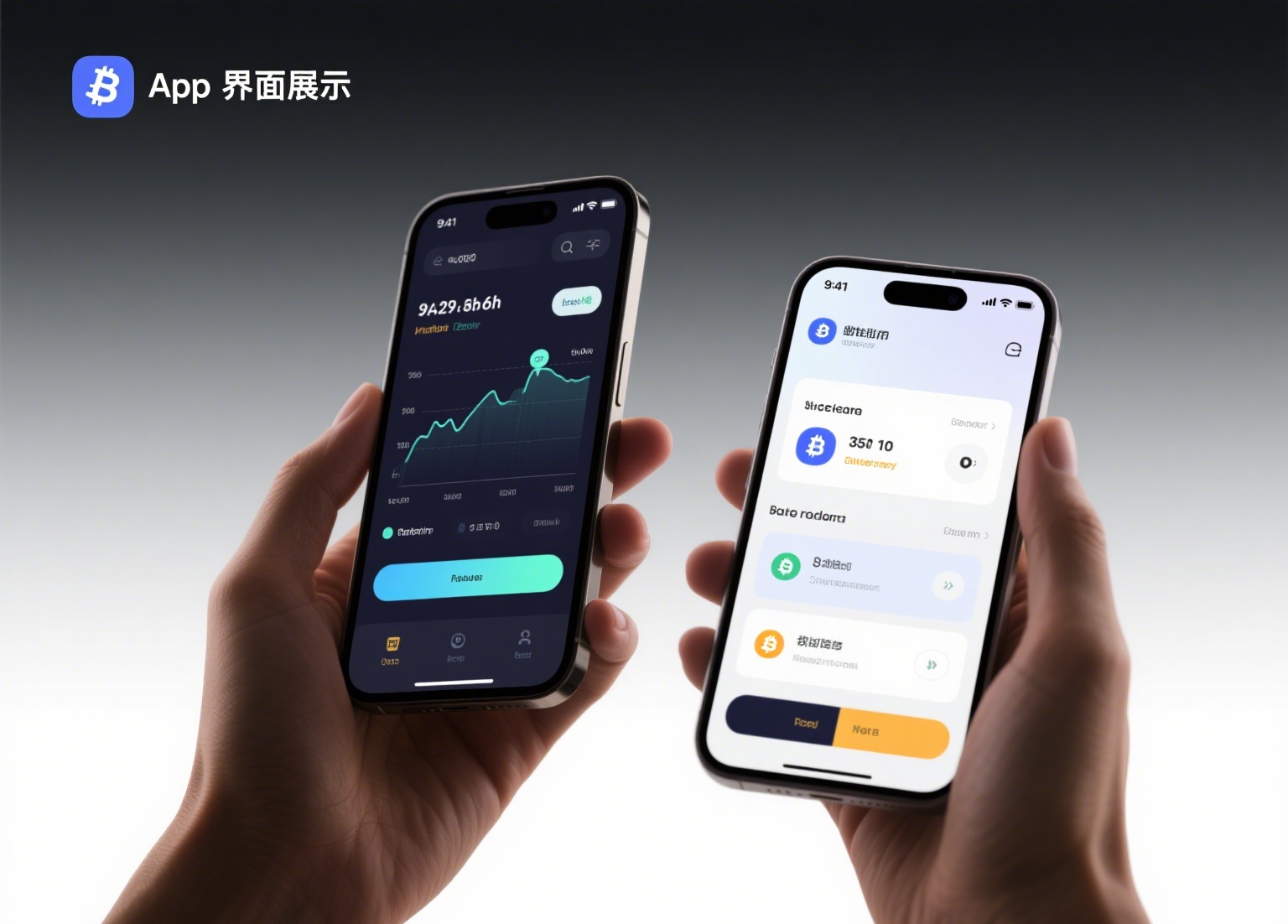
To get started, you need to visit the official Binance website. Because of regional restrictions, some users may find that the standard domain is blocked in their country. In that case, you can use alternative links provided by Binance, such as Binance.us for U.S. residents or other regional mirrors. Always ensure you are on the legitimate site to avoid phishing scams. The most secure method is to download the official Binance app from the Google Play Store or Apple App Store. On desktop, you can directly navigate to the official URL listed on Binance’s official social media channels.
Step 2: Creating Your Binance Account
Once you are on the site, click “Register.” You will need to provide a valid email address or phone number. Create a strong password that includes uppercase letters, numbers, and symbols. After entering your details, Binance will send a verification code to your email or phone. Enter this code to verify your account. For higher withdrawal limits and full access to all features, you must complete Identity Verification (KYC). This involves uploading a government-issued ID (passport, driver’s license, or national ID card) and taking a selfie. The verification process usually takes a few minutes to a few hours.
Step 3: Depositing Funds into Binance
Before you can trade, you need to add funds. Binance supports two main deposit methods: fiat currency (like USD, EUR, or GBP) and cryptocurrency. To deposit fiat, go to “Buy Crypto” and select your preferred method: bank transfer, credit/debit card, or third-party payment providers. If you already have crypto (like Bitcoin or Ethereum) in another wallet, you can deposit it by clicking “Deposit” in your wallet section, selecting the cryptocurrency, and copying the deposit address. Always double-check the deposit address and network (e.g., ERC20, BEP20) to avoid losing funds.
Step 4: Understanding the Binance Interface
The Binance interface can seem overwhelming at first. The main sections are: “Trade” (for spot, margin, and futures trading), “Markets” (to view all trading pairs), “Wallet” (to see your balances), and “Earn” (for staking and savings). For beginners, the “Lite” mode in the spot trading page is recommended. It simplifies the chart and order types. As you become more comfortable, you can switch to “Advanced” mode for more detailed charting tools and order options.
Step 5: Placing Your First Trade
To place a trade, first choose a trading pair, such as BTC/USDT. You will see a price chart and an order form. For a simple market order, select “Market,” enter the amount of USDT you want to spend, and click “Buy BTC.” The trade will execute instantly at the current market price. For a limit order, select “Limit,” set your desired price, and your order will only execute when the market reaches that price. Always start with a small amount to test the process.
Step 6: Security Best Practices
Security is critical on any exchange. Enable Two-Factor Authentication (2FA) immediately using Google Authenticator or a hardware key. Do not share your API keys with anyone, and avoid clicking on links from unsolicited messages. Binance also offers a “Whitelist” feature for withdrawal addresses, which adds an extra layer of security by allowing withdrawals only to pre-approved addresses. Finally, consider using the Binance “Web3 Wallet” for long-term storage of funds you do not plan to trade frequently.
Step 7: Withdrawing Your Funds
When you are ready to take profits or move your crypto to a personal wallet, go to “Withdraw” in your wallet section. Select the cryptocurrency, enter the destination address, and choose the correct network. Binance will charge a small withdrawal fee, which varies by cryptocurrency. Always send a small test amount first, especially if you are withdrawing to a new address.
Common Questions from Beginners
Many users ask: “Can I use Binance in my country?” The answer depends on local regulations. Binance complies with global laws and may restrict services in certain regions. If you are unable to access Binance, consider using a VPN? However, note that Binance prohibits the use of VPNs to bypass regional restrictions, and doing so may result in account suspension. Another frequent question is: “How do I trade without KYC?” While Binance once allowed limited trading without verification, most features now require KYC due to regulatory requirements. Therefore, completing verification is strongly recommended for full functionality.
By following these steps, you can confidently access and use Binance. Start small, learn the interface, and always prioritize security. As you gain experience, you can explore advanced features like margin trading, futures, and Binance’s DeFi staking services. Remember, cryptocurrency trading carries risk, so never invest more than you can afford to lose.